

Understanding the Long-Term Impact of Natural Disasters
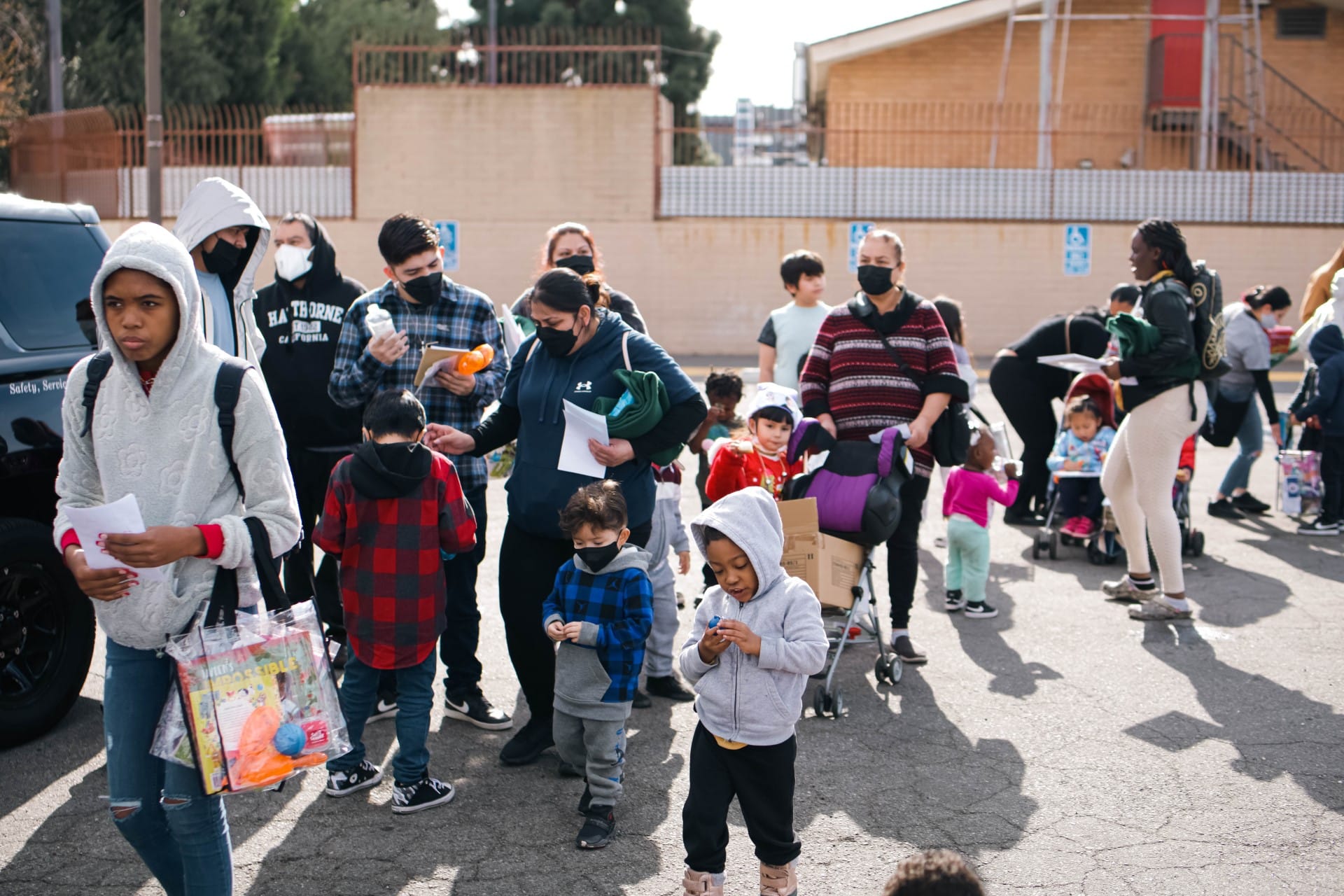
When a natural disaster makes the news, we often see the immediate aftermath like damaged homes, flooded streets, emergency crews working around the clock, and communities coming together to help. But what we don’t always see is what happens weeks, months, or even years later.
For many families, the hardest part of a disaster begins after the cameras are gone.
Recovering from a disaster isn’t simply about repairing buildings. It’s about rebuilding routines, restoring a sense of security, and helping children and families heal from experiences that may stay with them long after the physical damage has been cleaned up. That’s why disaster recovery requires more than immediate assistance, it requires ongoing compassion, resources, and community support.
Recovery Doesn’t End When the Storm Does
Whether a family has experienced a wildfire, flood, earthquake, or another emergency, life rarely returns to normal overnight. Parents may be searching for housing, replacing lost belongings, or trying to get back to work while also helping their children process confusing and frightening events.
Children often struggle in ways that adults don’t immediately recognize. Some become anxious about future emergencies. Others may have trouble sleeping, concentrating in school, or feeling safe in familiar places.
This is why long-term crisis response is just as important as immediate relief. Families need emotional support alongside practical assistance as they work toward rebuilding their lives.
Preparing Today Can Help Tomorrow
While no one can prevent natural disasters, families can feel more confident by taking steps toward emergency preparedness. Having a family communication plan, emergency supplies, and knowing where to find community resources can reduce stress when unexpected situations arise.
Just as importantly, communities that work together before disaster strikes are often better equipped to recover afterward. Neighbors helping neighbors, local organizations stepping in, and nonprofits providing ongoing support all contribute to stronger, more resilient communities.
Organizations like DrewCDC understand that recovery looks different for every family. Sometimes it’s connecting parents with resources. Sometimes it’s providing safe spaces for children or helping families access services that support their emotional well-being.
Every Act of Kindness Helps Families Move Forward
Recovery takes time, but families shouldn’t have to face that journey alone.
Through humanitarian aid, community partnerships, and family-centered programs, organizations like DrewCDC help families regain hope during some of life’s most difficult moments. Whether it’s providing practical assistance, connecting families to resources, or offering supportive services, every effort helps someone take the next step forward.
If your family has been impacted by a disaster, know that support is available. DrewCDC is here to connect families with resources and programs designed to help communities heal. If you’d like to make a difference, your donation helps us continue serving families with compassion, hope, and the support they deserve. Together, we can help our community recover, one family at a time.