

Why STEAM Skills Start Before Kindergarten: Benefits of Early Childhood STEAM Education
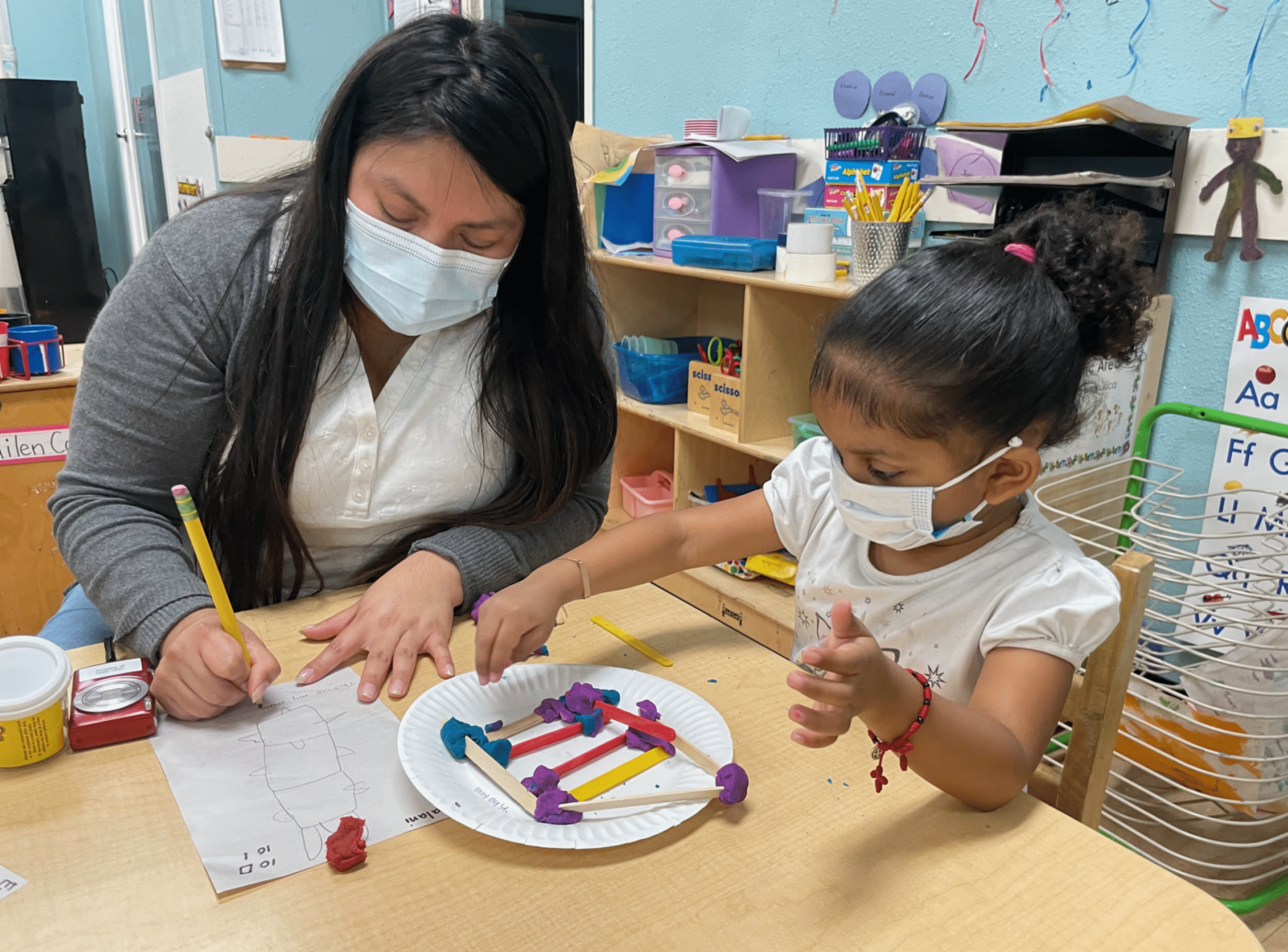
Education in STEAM (Science, Technology, Engineering, Arts, and Mathematics) can start even before your child starts preschool. Young children learn vital skills through routine activities. For instance, constructing with blocks, exploring nature, or sketching. Early STEAM exposure fosters critical thinking, creativity, curiosity, and problem-solving.
The Benefits of Early STEAM Education for Child Development
The early years are crucial for the development of fundamental skills. Children can explore ideas and make discoveries when they learn STEAM principles via age-appropriate activities. They will gain knowledge through practical experiences.
STEAM early learning has several important advantages, such as:
- It stimulates curiosity. Children are inherently curious about the world they live in. They’re encouraged to research, observe, and learn how objects function through STEAM activities.
- STEAM enhances the ability to solve problems. Building constructions and solving puzzles are examples of activities that support child development. Kids acquire the ability to recognize issues and investigate potential fixes.
- It enhances critical thinking. Children start to build their capacity for information analysis and decision-making when they compare objects, see patterns, and make predictions.
- It encourages originality. Children can express themselves through the arts component of STEAM. They can do this through creative pursuits like painting, singing, and drawing. These encounters foster exploration and original thought.
- Children learn the fundamentals of mathematics. Preschool children learn early mathematical concepts through sorting toys and counting blocks. They also learn by recognizing forms and comparing sizes.
- It enhances teamwork and communication abilities. Children are encouraged to share ideas through group projects and playing with others. They gain the ability to listen to others, articulate their ideas, and cooperate.
Why Early STEAM Education Should Start Before Kindergarten
Children can begin learning STEAM topics without formal instruction or sophisticated technology. Important concepts can be introduced through easy activities at home and in early childhood education settings.
For instance, engineering ideas are introduced through building block play. Children are encouraged to make scientific observations by studying plants. Measurement, counting, and fundamental mathematical relationships can be introduced when cooking with adults.
Starting early also helps children become comfortable with exploration and experimentation. Rather than focusing on finding correct answers, STEAM learning encourages them to ask questions and test ideas. It also teaches children to learn from their mistakes.
These experiences help establish positive attitudes toward learning. Children who are encouraged to explore different subjects become more confident in approaching unfamiliar tasks.
Ways to Introduce STEAM Activities to Young Children
Parents, caregivers, and early childhood teachers can incorporate STEAM into everyday routines. You don’t have to buy expensive materials. Consider these simple activities:
- Building Challenges: Use blocks or recycled materials to construct towers, bridges, or other structures.
- Nature Exploration: Take children outside to observe insects, leaves, and plant growth.
- Art Projects: Experiment with colors, textures, shapes, and different art materials.
- Counting Games: Incorporate numbers, sorting, and patterns into everyday play.
The goal is to make learning enjoyable, interactive, and appropriate for each child’s age and abilities.
Support Early Learning with Drew CDC
Give young children opportunities to discover, create, and develop essential skills through meaningful experiences. Explore how Drew CDC supports early childhood STEAM education.
Sources
- https://www.eschoolnews.com/steam/2025/11/19/why-early-steam-education-unlocks-the-future-for-all-learners/
- https://gallatinpremierchildcare.com/why-do-preschoolers-need-steam/
- https://www.thebrunswickschool.com/blog/benefits-of-stem-in-early-childhood-education
- https://www.apa.org/monitor/2020/04/nurtured-nature